For those of us who have followed Hellier, the subject of the Green Man has been one of particular interest, especially those of us who live in the general vicinity of Pulaski County. In Season 2 of the documentary, the protagonist Amy writes to the team to investigate what is going on in Somerset. She brings up specifically in these correspondences that she writes:
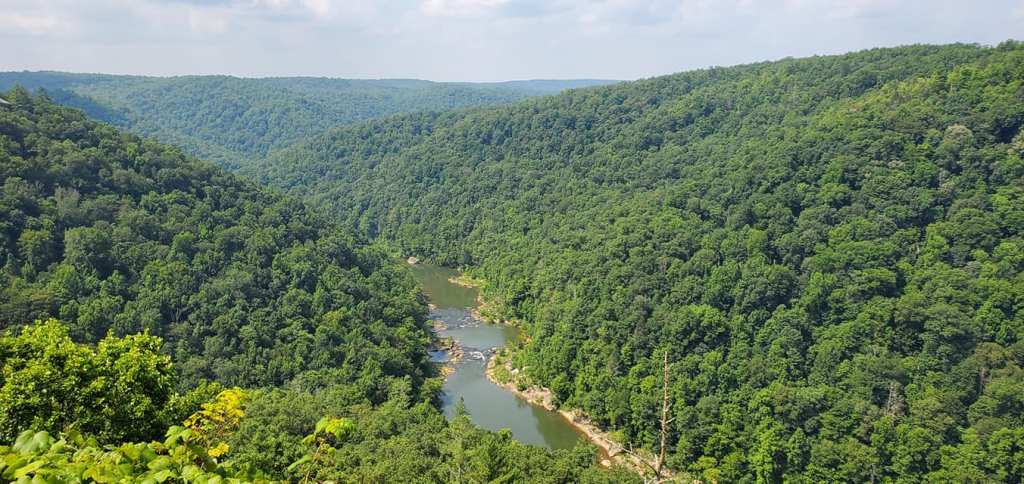
“It wasn’t until the Beltane holiday that I realized it was to be a holiday feast. Big South Fork is where they have held the green man for ages.”
During the season, there is much talk of the archetypes of deity, specifically Pan. But the Green Man has links to other gods including Cernunnos, Herne the Hunter, Osiris, Khidir, Adonis, and Dionysus/Bacchus. In another earlier Email, they bring up Pan the first time in the discussion of the Green Man:
[Dana] “The heart of your green man is here.”
[Tyler] What does she call it the green man? You guys know what the Green Man is though, right?Like the old symbolism of the Green Man?I mean, the only thing I knew about the green man is the Kelly green men.
[Dana] Are we talking about Pan?
[Tyler] Weird, no like so the Green Man, in fact oddly enough, like you’ll see this like symbolism in like Roslyn Chapel, overseas, Things like that but there’s this like old archetype of the Green Man where like… you’ve seen it everywhere, like people use it it’s like a very old
[Greg] Oh, like a nature spirit.
[Dana] It’s a man’s’ face in leaves.
What we term the ‘Green Man’ was known by older names like Jack of the Green, and the generic ‘foliate head’ and ‘wild man’ that appeared on many cathedrals and churches. If we look at specific examples of “The Green Man”, one of the earliest references is less than one hundred years old….from Lady Raglan’s The “Green Man” in Church Architecture in 1939. A rather overlooked connection is that Lady Raglan’s married name was Julia Somerset.
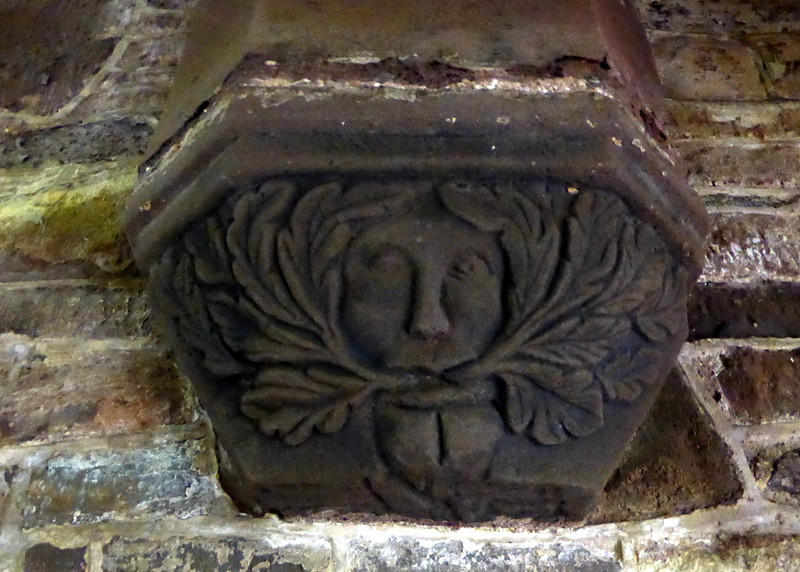
In a post-Hellier world, we have a habit of focusing on Pan being “all” when it comes to the horned deities, but when we look at folklore, myth, art, and older manuscripts, we realize how much is being homogenized for a modern audience, and we see just how the ‘Green Man’ has taken on a life of his own. From Charles Vess’ “Green Man Press” publishing company to bands like Type O Negative who wrote for this being that changes for the season for their album ‘October Rust’.
I was listening to an excerpt from an interview I did for Penny Royal‘s Season Two last night (It will be available on their Patreon soon, the new season kicks off 1.11.22). The discussion turned to modern interpretations and our habit of putting our own needs and characteristics onto the deity. Making them conform to our understanding of what we think they should be, asking them to become what we need rather than honoring them as they are and meeting them halfway.
In the last sixty years, as the Green Man became more popular, so did the rise of modern paganism’s habit of Cherry-picking from the pantheons of different cultures that speak to us. But are we really listening to what they are saying? What would the Green Man say to us? Is he a deity at all? Or is he simply a concept of transition and rebirth, including the change of the Pagans to Christians, invited into their holy places by symbols they recognized as their own?
 BYRD OF ILL OMEN