There is a lot of talk lately about native magick users and gatekeeping within certain traditions. If you are on “Witch-Tok” or follow many folks on Twitter you’ll see the terms “Closed practice” and Appropriation when applied to well known concepts of smudging and use of white sage and Palo Santo for example. As these started out as sacred practices, and in many cases, those who are using them are newcomers to their own path and do not take in consideration the origins of these rituals, care must be used. It’s always important to do research when exploring practices. Trusted sources are important to learn the proper way of doing things rather than picking up the newest “Teen Witch kit” or worse yet, simply googled “How to cleanse your house of bad Mojo”.
If we look at a proper definition of cultural appropriation, we find:
“Taking intellectual property, traditional knowledge, cultural expressions, or artifacts from someone else’s culture without permission. This can include unauthorized use of another culture’s dance, dress, music, language, folklore, cuisine, traditional medicine, religious symbols, etc. It’s most likely to be harmful when the source community is a minority group that has been oppressed or exploited in other ways or when the object of appropriation is particularly sensitive, e.g. sacred objects.”
Scafidi, Susan. Who Owns Culture?: Appropriation and Authenticity in American Law. Rutgers University Press, 2005, http://www.jstor.org/stable/j.ctt5hj7k9.
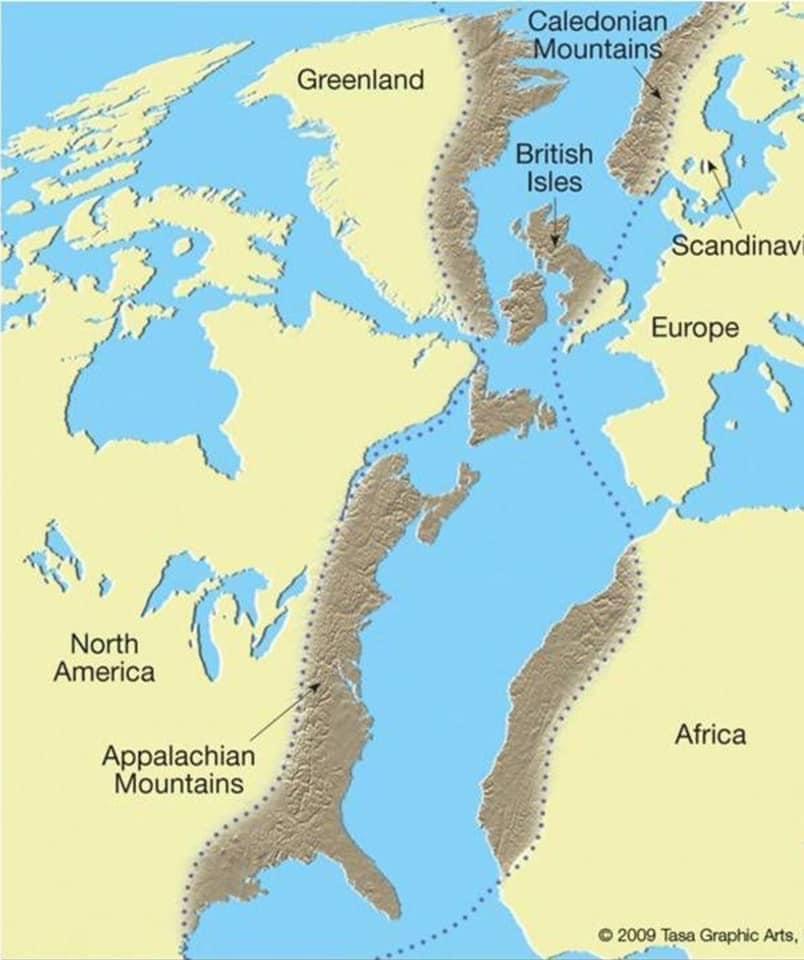
As an Appalachian mystic, I am constantly at odds with what “feels right” versus what is considered “appropriate.” Does my actions offend the Ancestors that watch over me? Perhaps the fact that one is asking these questions of themselves and their spirit guides, it is a step in the right direction. I am a big believer in WWMD?, that is asking myself “What would Mamaw Do?”. This question will vary from person to person, but in my case, I am a product of such mixed ancestry, that the ways of many cultures are present in my everyday life. When you are the child of farmers and hunters and wise women generation after generation, where the Scots and Irish and Welsh and German came and intermarried with the Upper Cumberland native tribes and the Africans taken from their lands, it is hard to divide up what is appropriate and what isn’t sometimes. Do I honor the deities of places left long behind or honor those that are in the place where I reside and thrive? If we look further that the mountains of the Appalachians were once the Central Pangean mountains, it makes the question even more difficult of what belongs where.
When I was a child, I was inundated with the stories and legends of the mountains. I knew where it was safe to go, and where there was danger. I heard the stories of those who came before me, and I was told of the things that went bump in the night. Many of those were native legends that had been passed down. Perhaps that is the difference between appropriation and integration. If I go on Tik-Tok and watch a video that someone has posted merely for the attention and likes, I’ve learned that person’s version of a practice. Spirituality used to be a private thing, now it’s everywhere (I suppose this blog included). I hope though that the difference is to introduce ideas and to leave the reader to further explore on their own and encourage them to do the ‘Hard work’. To earn the knowledge by seeking out those who know from practice and oral tradition. To observe in ceremony, perhaps participate if permission is granted to do so. To honor the ancestors by walking in their footsteps…rather than to be a Internet Witch Influencer.
An example of the former would be someone I greatly admire, the Irish author Lora O’Brien. Not only is she from Ireland, she is a font of knowledge when it comes to Irish Paganism, Deities, and the like. I am often finding useful information for my own research in her postings, but primarily she offers online classes so that those who are called by these gods and goddesses can do so in the right way. This is a subject that is dear to my heart, and one that really inspired me after I read the book American Gods by Neil Gaiman twenty years ago.
In this novel, it’s explored that those who were migrating to America brought their gods with them and perhaps those gods evolved into separate beings than the source into their own existence. In modern times, we often try to mold our gods into what we need, rather than what the Deity expects of their followers, Lora, as a follower of the Morrigan, is the perfect example of learning what the source was and gives an inner window to “a native’s” view of their cultural practices and worship.
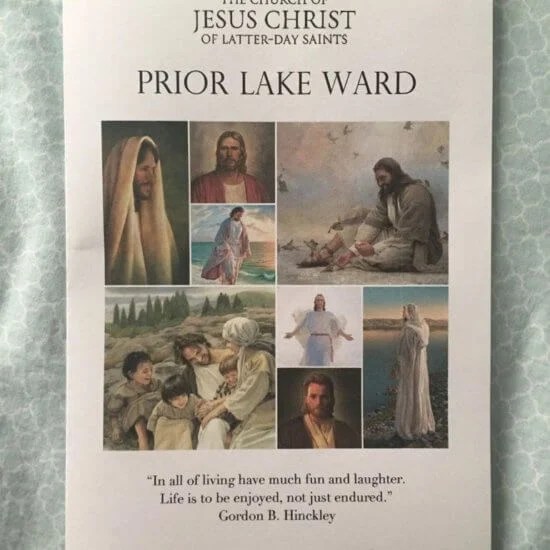
When we look at what exists here in our lands, we have to take into consideration the subject once more of want vs. expectation when it comes to the Gods. Example number one could be how Jesus is worshiped and depicted in a Capitalist society. My Great Aunt would tell me about who angered Jesus (the Bankers) and who were loved (the poor and oppressed). But in today’s climate of mega churches and Christian Nationalism, it’s hard to put His message to what is being shown. Also…the fact that Ewan McGregor as Obi Wan Kenobi has appeared in actual church materials brings up a lot of interesting questions about a man from Galilee.
In a discussion I had with Nate and Darian of Penny Royal (a snippet is now available on their Patreon), this subject came up and Nathan furthered the subject in the form of a modernized Hecate is a case of what people are projecting what they want of her, rather than what she asks of her devotees. Over the years have we, in the seeking of knowledge and technology at our finger tips accepted the ideal of deity through a game of telephone or a homogenized ‘One size fits all’ modern interpretation? Is it perhaps a good and proper thing that the closed circles and practices exist so that the source can be protected? I’d argue that yes, it’s not only needed, but crucial. If we are called to a certain practice, we should seek out those who protect them. Join the traditions that speak to us, honor those ancestors that encourage us to the paths that they created. Only then do we open a closed circle, and join those inside.
 BYRD OF ILL OMEN