In the last few years, the term “Appalachian” has been tossed around. Primarily, what people think of Appalachia is what some would call “Central Appalachia” and “South Central Appalachia”. This is the sweet spot of the Tennessee, West Virginia, Kentucky, and North Carolina hillfolk region. But, as you can see by the map provided, that is just a small part of a much larger space:
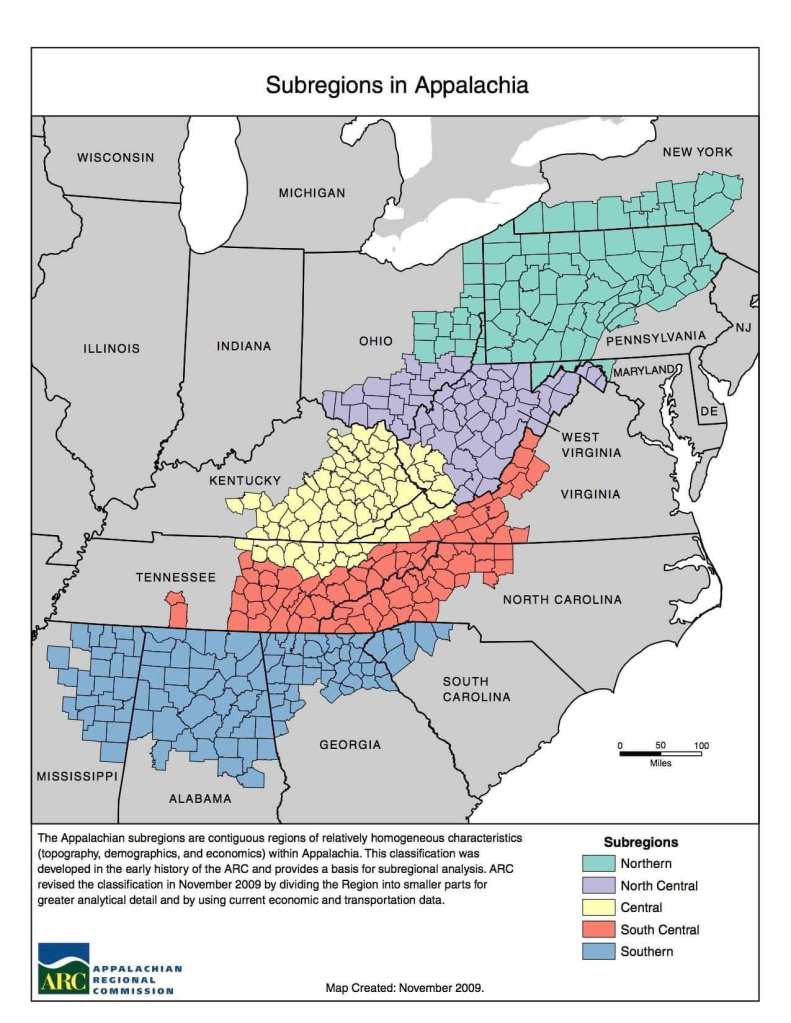
I don’t know about you, but I don’t have anything in common with folks in New York State. It’s pretty up there, I’ve been there, but it ain’t here. So that poses an interesting dilemma for me as someone who many would call “Appalachian American”. (And we won’t even talk about those Ohio folks).
The term “Appalachia” has taken a deeper meaning as of late. Many people will get upset if you call it “Appa-Lay-Shuh” rather than “Apple-atcha”. To be fair, as a kid in the 70s and 80s, I never heard either. We were Tennesseeans. (More likely we were Vols). We were specifically from the Cumberland Plateau. These were our mountains, the Smokies were our mountains. If you asked my Mamaw Byrd where she was from she’d say “Scott County” or specifically “Huntsville”. We were far more tribalized as we were from the rural areas of Appalachia. We had the Museum of Appalachia over at Clinton, but it wasn’t who we were.
Most folks I know who live in my county, which is a state-line place, absolutely cannot stand Kentucky. It’s just an imaginary line that you can cross with one step over. But the distinction that line represents is everything. In Bristol, you can visit a shop on Main Street. Then, cross the road to a shop on the other side and be in Virginia. Liminal spaces to be sure, it’s a threshold enforced by the understanding..no of the agreement that it is a different area.
So when did Appalachia become a brand? When one googles the word, you get this:
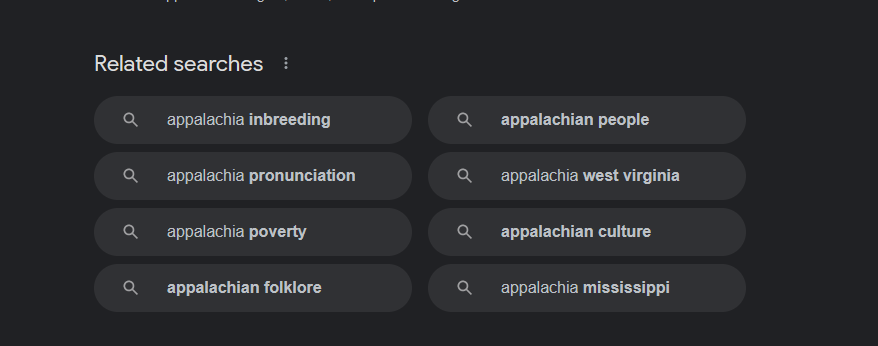
Inbreeding, Poverty, Pronunciation. These are the big takeaways from being Appalachian. But I also take interest in the terms “Folklore” and “Culture”. I believe this is the crux of the brand that has been built up recently. It is especially true in Witchcraft and practical methods.
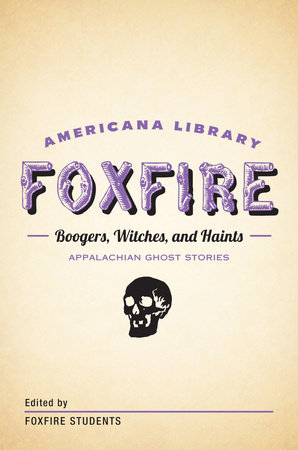
One can look at a few of the covers on the online book suppliers. This provides an idea of the brand being built.

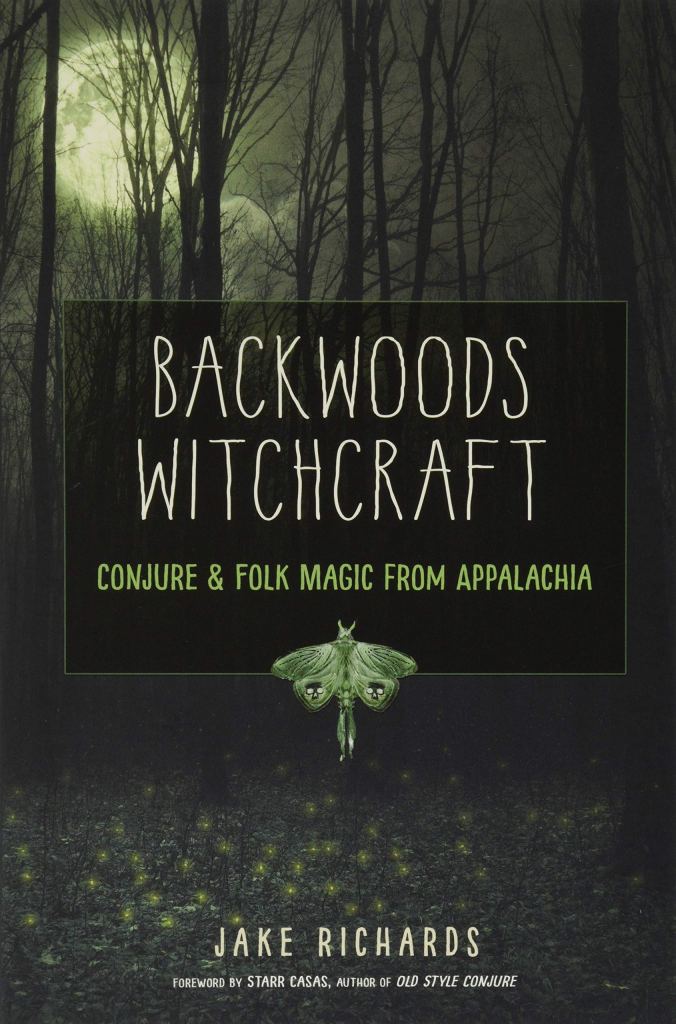

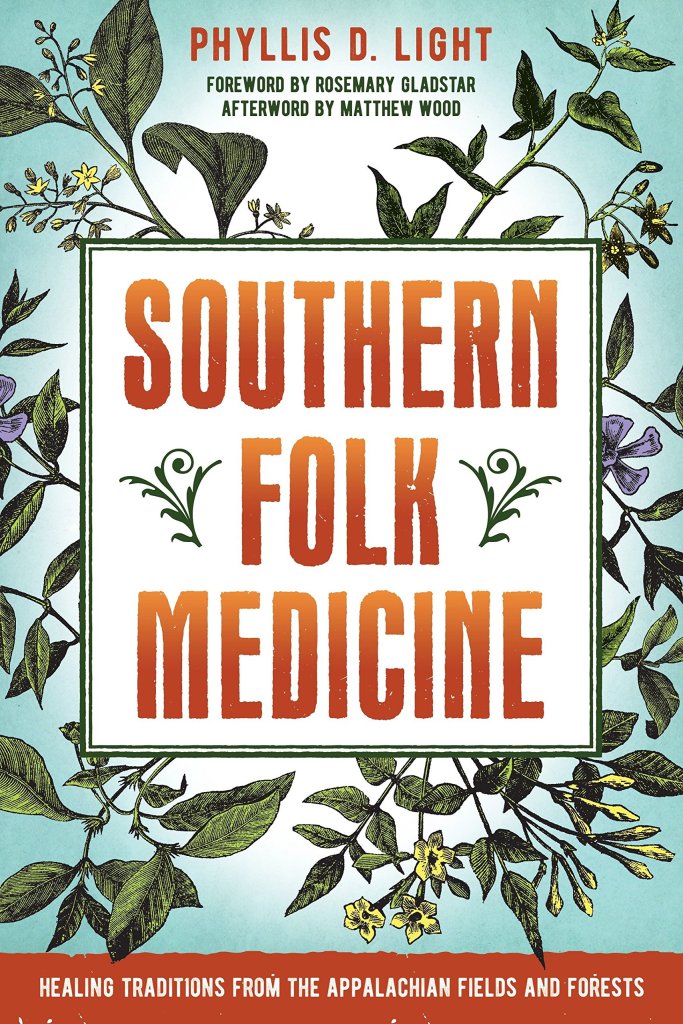
Interestingly, the trend for the brand can be isolated to a specific area of the country:
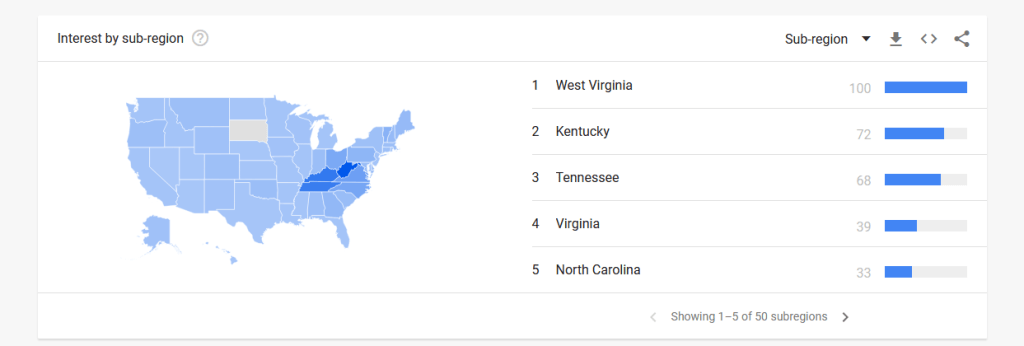
Doc Buck ran a store in Jonesborough before he published his first book, Backwoods Witchcraft. If you look at the back cover, you can read the word “Appalachia” or “Appalachian” five times. This isn’t by accident. There have been a couple of things that have thrust the region into the public consciousness. One of them has to be Fallout 76. Set in “Appalachia”, this online game basically cuts West Virginia into six regions of post-nuclear wastelands. One of the most hilarious results of this attention is the “Mothman Bean Cult”. It has led the folks in Point Pleasant to beg tourists not to leave cans of beans at the Mothman statue anymore.
But if I had to pinpoint one quiet influence to the sudden association of the mountains with the spooky, it has to be hands down the influence of Hellier with juggernaut branding of Old Gods of Appalachia.
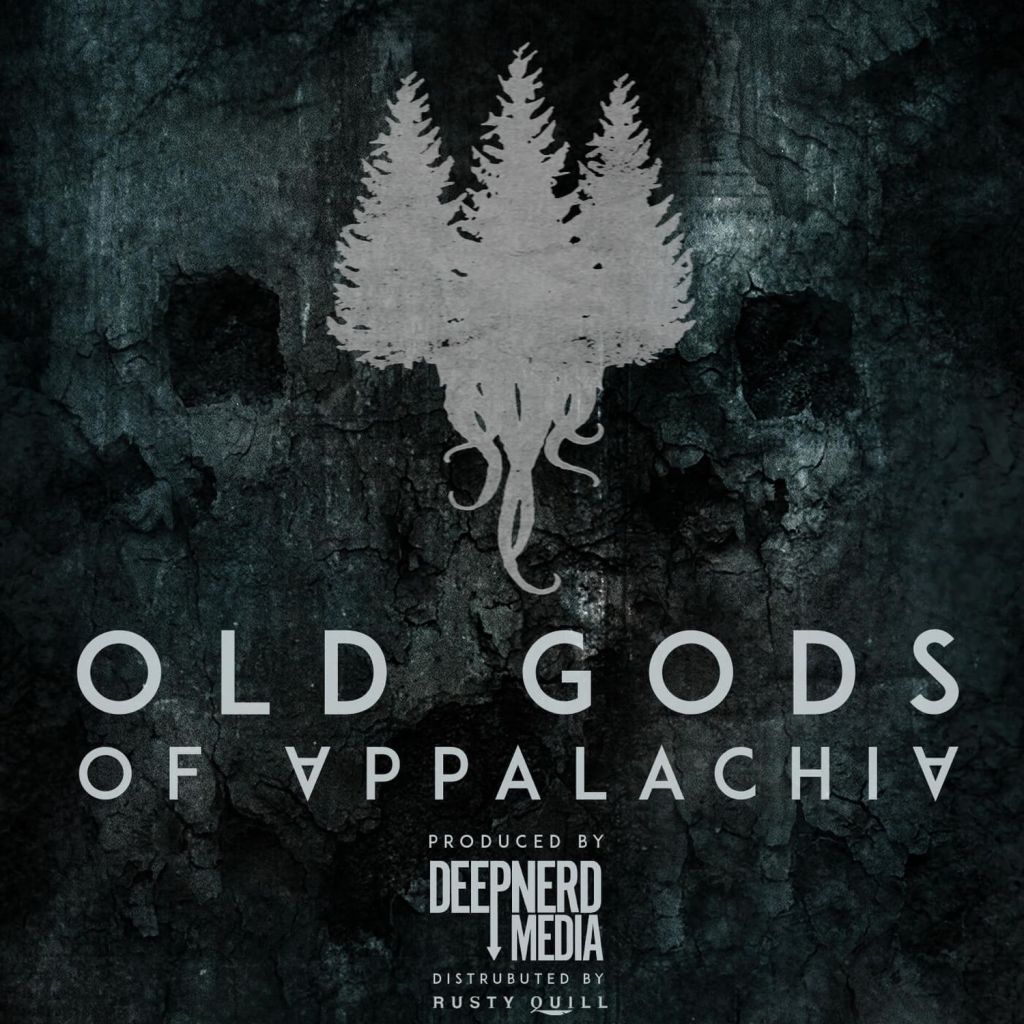
It started as a very cool podcast/audio drama. It has since branched out to merchandise. It even became an RPG game in 2022. Old Gods in my estimation is the moment where things shifted. It coincided with the rise in popularity of “Appalachian cryptids.” The current Granny Magick boom and recent events are also influencing us to return to the woods. They encourage embracing a simpler way of doing things.
Besides the pronunciation thing. Personally, I don’t care how you say it. If you say it Lay-sha, I just know I won’t talk to you like I would someone local. Lately, I’ve noticed a trend of interest in brand-strengthening products. This includes the inappropriate appropriation of indigenous legends from other tribes and regions (I’m looking at you skinwalkers and Wendigo).
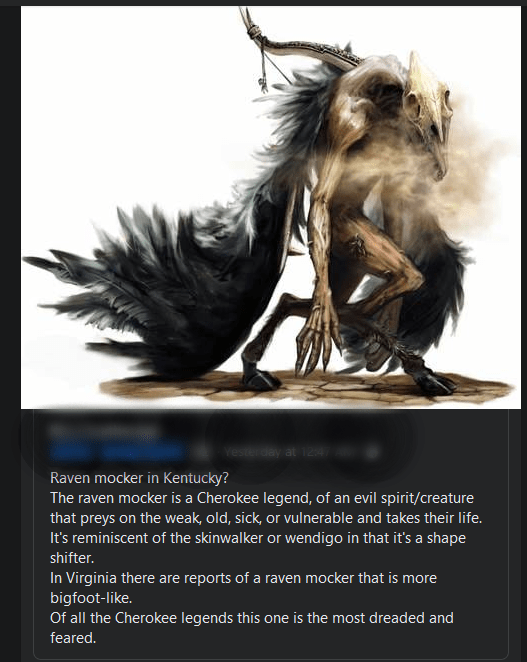
I posted a bit about the Mockers yesterday in the House of Wyrd Facebook group. As interest grows in our local legends, it’s easy to blend narratives and make a new telling, especially for folks who are just reading about the legend for the first time. Comments in the group ranged from “I think I saw one at my house last night” to “How does one give offerings?”. There is a well-known fact that everyone sees the headline, but few see a retraction a few days later. So even if you do comment with the facts, folks have shared the post 100 times and it’s made its way into a new creature altogether.
We talk about a lot of stuff here, and if I have added to the brand building of these Appalachian mountains, I sincerely offer my Mea Culpa. I would not trade these mountains for anything. They are the very soil I was born from and will return to when I die. But they are much more than a label. So much more than the scary stories from the “Don’t look in the trees at night” crowd. Especially one that can also be applied to folks from New York!
 BYRD OF ILL OMEN